

Did you ever wish your car could turn heads as you drive down the road? Or maybe you’ve wanted better handling or a way to upgrade your brakes without any fuss.
Whatever your wish, it could be that wheel spacers are the answer.
Wheel Spacers Pros And Cons
Pros Cons Aesthetics Additional Strain Handling Altering Vehicle Dynamics Clearance Installation Errors Wheel Fitment Quality of Spacers
In this article, we’ll dive deep into the world of wheel spacers. We’ll look at what they are, the pros and cons of using them, and tackle the all-important question: are wheel spacers safe?
Let’s take a closer look.
What Are Wheel Spacers?
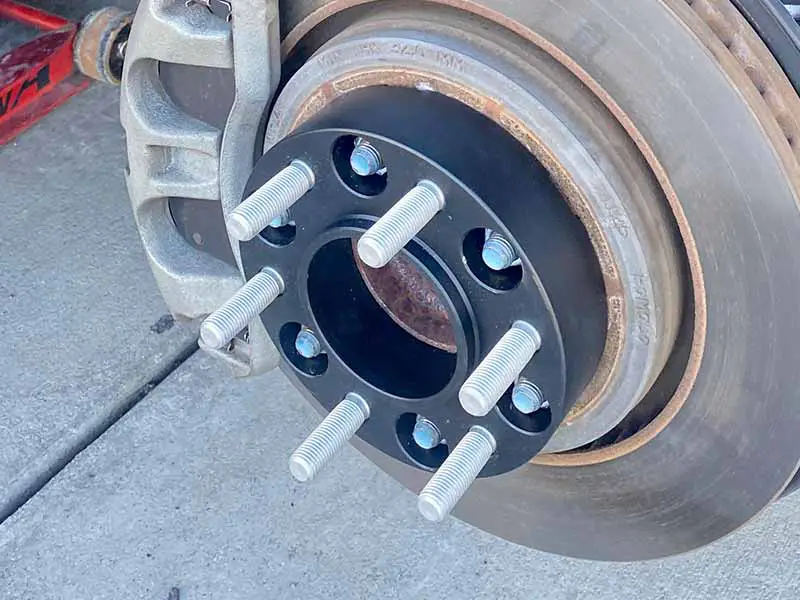
Wheel spacers are a neat little invention that car enthusiasts and professionals use to tweak their rides. They may look like simple metal rings, but they actually play a pretty important role in your car’s setup.
Think of them as the peanut butter in a PB&J sandwich. Just like peanut butter goes between the two slices of bread, wheel spacers are installed between your vehicle’s wheel and the wheel hub (that’s the central part your wheel attaches to).
The result? Your wheels stick out a little further from the side of your car, truck, or SUV.
Now, you might be wondering: “Why on earth would anyone want to do that?” Good question! People use wheel spacers for a few different reasons that we’ll explore in this article, including:
- To make their vehicle look cooler or more aggressive
- To improve the way their vehicle handles on the road
- To create more room for bigger brakes or other parts
- To fit a set of wheels that wouldn’t normally fit their car or truck
There are two main types of wheel spacers you might come across: slip-on spacers and bolt-on spacers.
Slip-On Spacers: Just like their name suggests, these spacers simply slip onto your wheel hub. They’re a bit like a second skin for your hub, and your wheel goes right on top of them. They’re the simpler of the two types and are usually used when you only need a small adjustment.
Bolt-On Spacers: These guys are a bit more complex. They bolt onto your wheel hub and then provide a new set of studs for your wheel to attach to. If you need a bigger adjustment, or your wheels don’t fit over slip-on spacers, these are the go-to choice.
Pros of Wheel Spacers
Alright, now that you know what wheel spacers are, let’s talk about why people use them. After all, if you’re going to put something new on your vehicle, it better be for a good reason, right? Here’s the scoop:
Aesthetics
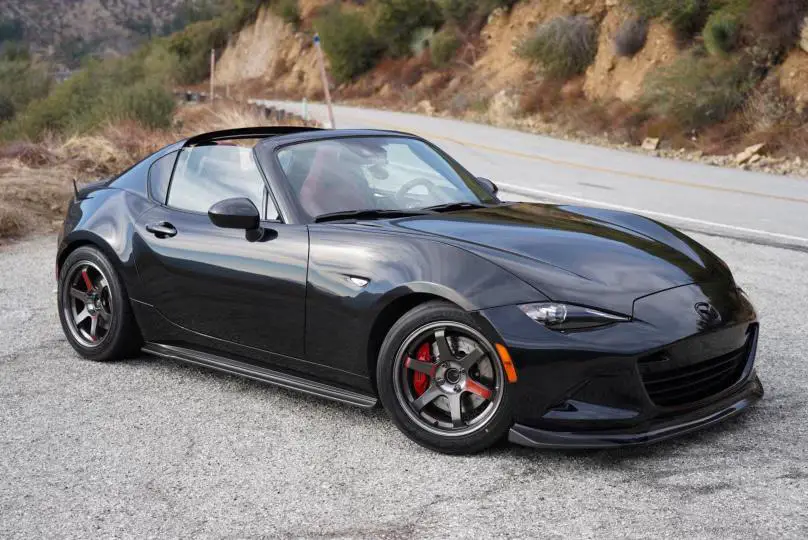
Let’s be honest, how our cars look matters to us. A set of wheel spacers can give your ride a more muscular, beefy look because they push the wheels out wider. This makes your vehicle look more aggressive and might just make heads turn as you drive by.
Handling
Here’s a cool fact: race cars often have their wheels set wide apart. Ever wonder why? It’s because a wider wheelbase (that’s the distance between the wheels on each side) can improve how a car handles. When your car’s wheels are pushed out further, the weight of the vehicle is spread out better. This can help your car stay stable when you’re making sharp turns or maneuvers. It’s like how a gymnast spreads their arms out to keep balance on a beam.
Clearance
Sometimes, especially when you’re upgrading your vehicle, things get a bit tight. Maybe you want bigger brakes that won’t fit with your current wheel setup. Or perhaps your tires are rubbing against the inside of your car’s wheel well. Wheel spacers can help here by pushing your wheels out and away from the body of the car. This creates a little more space or “clearance” for those new parts to fit.
Wheel Fitment
This one’s pretty straightforward. Let’s say you’ve got a set of wheels that you love, but they just don’t fit your car. Maybe the bolt holes don’t line up, or they sit too close to something inside your wheel well. Wheel spacers can help you make those wheels fit, by adjusting how the wheels sit on your car.

Cons of Wheel Spacers
Wheel spacers can be pretty great, but just like anything else, they have their downsides. We’re going to give you the full picture, so you can make the best decision for your ride. Here are some things to consider:
Additional Strain
When you install wheel spacers, you’re changing how your vehicle was originally designed to work. Because the wheels are further out, parts like your wheel bearings and suspension have to work harder to keep everything running smoothly. It’s a bit like trying to lift a heavy box with your arms fully stretched out—it’s a lot harder than when the box is close to your body. This extra strain might mean more frequent repairs down the road.
Altering Vehicle Dynamics
Pushing your wheels out changes your car’s balance and handling. Sometimes, this can be a good thing, like we talked about earlier. But it can also make your car behave differently, especially when you’re driving fast or need to dodge something in the road quickly. It’s important to remember that just because race cars use wide wheelbases doesn’t mean it’s always the best setup for everyday driving.
Installation Errors
This one’s big. Wheel spacers need to be installed correctly. If they’re not, you could end up with a wheel that’s loose or, even worse, a wheel that comes off while you’re driving. That’s scary and dangerous. If you decide to use wheel spacers, make sure they’re installed by a professional, or if you’re doing it yourself, follow the instructions very, very carefully.
Quality of Spacers
Not all wheel spacers are created equal. Some are well-made and will do their job just fine. But others, especially the cheaper ones, might not be as good. Cheap or poorly made spacers can crack, break, or not fit correctly, all of which can be dangerous. Like most things in life, you tend to get what you pay for.

Are Wheel Spacers Safe?
Like many things, wheel spacers are as safe as you make them. That might sound a bit vague, but here’s the thing: if you choose high-quality spacers, have them installed correctly, and check them regularly, they can be perfectly safe. They’re used widely in the automotive world, from everyday drivers to high-performance race cars. But, if any one of those pieces isn’t up to par, you could run into problems.
Responsible Use
Remember, wheel spacers change how your vehicle handles. They can make your car feel more stable during turns, but they can also make it react differently at high speeds or during sudden maneuvers. So, if you choose to use wheel spacers, it’s crucial to understand how they change your car’s behavior and drive responsibly.
Professional Installation and Regular Checks
If there’s one thing you take away from this section, let it be this: professional installation and regular checks are key. Wheel spacers need to be installed correctly and checked often to make sure they’re still safe. This is not the place to cut corners. If you’re not 100% sure you can install them correctly yourself, get a professional to do it.
Quality Matters
Lastly, remember what we said about the quality of spacers. Not all wheel spacers are created equal. Lower-quality spacers can crack, break, or fit poorly, leading to dangerous situations. So, choose wisely and don’t be afraid to spend a little extra for better quality.
Hub Centric Vs Lug Centric Spacers
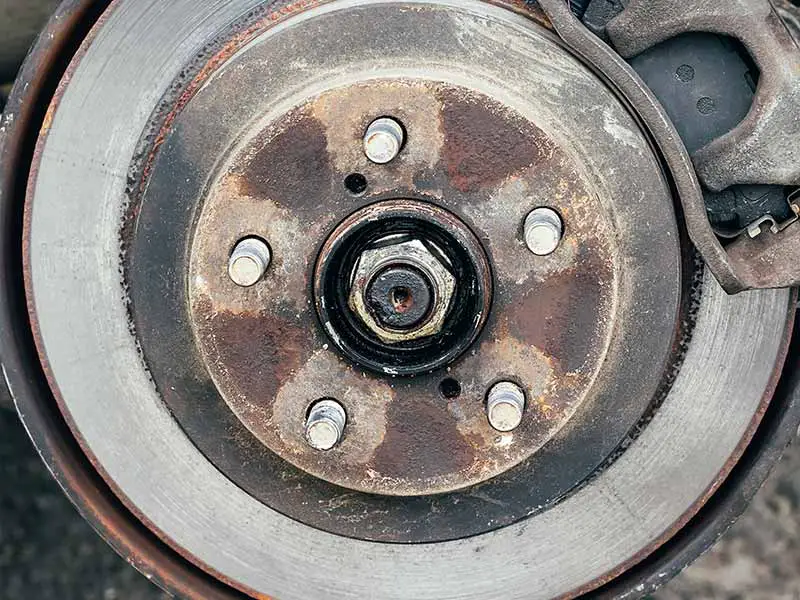
Hub centric and lug centric refer to how the spacer aligns with your car’s wheels. It’s all about where the spacer centers itself. Is it centered around the hub of your wheel (hub centric)? Or does it line up with the lug nuts or bolts (lug centric)? That’s the basic difference. But let’s go a bit deeper.
Hub Centric Spacers
Hub centric spacers are designed to fit snugly over your vehicle’s hub. They align with the center hole in your wheel, creating a direct line from the hub to the wheel. This is a good thing because it means the vehicle’s weight is supported by the hub, not the wheel studs.
Think of hub centric spacers like a perfectly sized lid on a pot. They fit just right, covering the hub and providing a solid, stable base for your wheels.
These spacers are generally considered safer and more stable, and they’re the type most professionals recommend for most applications.
Lug Centric Spacers
Lug centric spacers, on the other hand, don’t have that snug fit over the hub. Instead, they line up with the lug nuts or bolts. This means they can be a bit less stable because the vehicle’s weight is being supported by the wheel studs, not the hub.
Lug centric spacers are like a lid that doesn’t quite fit the pot. It still covers the pot, but it might slide around a bit. This can lead to uneven wear on your wheel studs and potential issues down the line.
These spacers are generally less recommended, especially for high-speed or heavy-duty applications. They can work for some people and some vehicles, but it’s important to understand the potential risks before choosing them.
The Impact of Wheel Spacers on Vehicle Performance
Alright, now that we know what wheel spacers are, let’s chat about how they can change the way your car or truck drives. Fasten your seatbelts, because we’re going to cover a lot of ground here!
Effect on Alignment
First up, alignment. Picture yourself riding a bike. You want both wheels pointing the same way to ride smoothly, right? That’s basically what alignment is for a car or truck – making sure all the wheels are working together just right.
When you add wheel spacers, you’re not directly changing your vehicle’s alignment, but the extra width can affect how your vehicle handles. If your alignment was already off, this might make it seem more noticeable. It’s always a good idea to have your alignment checked when you install wheel spacers, just to be safe.
Effect on Turning Radius
Next, let’s talk turning radius. This is how tight you can make a U-turn or circle with your vehicle. It’s like trying to spin in place – you can only spin so tight, right?
Wheel spacers can have a slight impact on your turning radius. Because they push your wheels out a bit further, your wheels have a little more space to move when you’re turning. This could mean you’re able to make slightly tighter turns, but the change is usually pretty small.
Impact on Steering
Steering is up next. This one’s pretty straightforward – it’s how you control where your vehicle is going.
Wheel spacers can change your steering feel a bit. Because your wheels are wider apart, you might notice that your vehicle feels a bit more stable or responsive. But remember, the changes might feel different from one vehicle to another, so it’s not a one-size-fits-all situation.
Influence on Handling
Alright, handling time. This is how your car or truck responds when you steer, brake, or accelerate.
Wheel spacers can improve handling by giving your vehicle a wider stance and better stability, especially in turns. But like a lot of things with vehicles, the exact impact can depend on a bunch of factors – like your specific vehicle, the kind of wheel spacers you’re using, and even how you drive.
Change in Acceleration
Last up, acceleration. You know the drill – this is how quickly your vehicle can increase its speed.
Wheel spacers themselves don’t really affect acceleration. They’re not adding power to your engine or making your vehicle lighter, after all. But, they might affect how acceleration feels. That wider stance could give your vehicle a more stable feel when you’re speeding up.
When Do You Need Hub Centric Spacers?
Hub centric spacers are essentially wheel spacers that include a built-in hub centric ring. This design ensures that the spacer not only pushes the wheel out for a wider stance but also maintains a precise, centered alignment with the vehicle’s hub.
I see hub centric spacers as a versatile and effective solution for many drivers. They offer the dual benefits of improved wheel fitment and enhanced vehicle performance.
Benefits of This Union
- Precise Alignment: The integrated hub centric ring ensures the wheel is perfectly centered on the vehicle’s hub, reducing vibrations and enhancing stability.
- Improved Handling: Like traditional spacers, they widen the vehicle’s track, offering better handling and a more aggressive stance.
- Simplified Installation: Combining the spacer and ring simplifies the installation process, eliminating the need for separate hub centric rings.
When Do You Need Hub Centric Spacers?
Deciding whether you need hub centric spacers depends on a few factors:
- Aftermarket Wheels: If you’ve installed aftermarket wheels that don’t match your vehicle’s hub diameter, hub centric spacers can provide the necessary fit and alignment.
- Desired Wheel Stance: For those looking to push their wheels out for aesthetic reasons or to fit larger tires, these spacers offer a safe and effective solution.
- Handling and Performance: If you’re seeking to improve the handling characteristics of your vehicle, the added stability from hub centric spacers can be beneficial.
Alternatives to Hub Centric Spacers
If hub centric spacers aren’t the right fit for your needs, there are alternatives:
- Traditional Spacers: If wheel centering isn’t an issue, traditional lug centric spacers might suffice.
- Custom Wheels: Opting for custom wheels designed to fit your vehicle’s specifications can eliminate the need for any spacers.
- Wheel Adapters: These are used to change the bolt pattern of your vehicle’s hub, allowing the fitment of different wheels and can sometimes offer a solution similar to spacers.
Choosing the Right Spacers for Your Vehicle
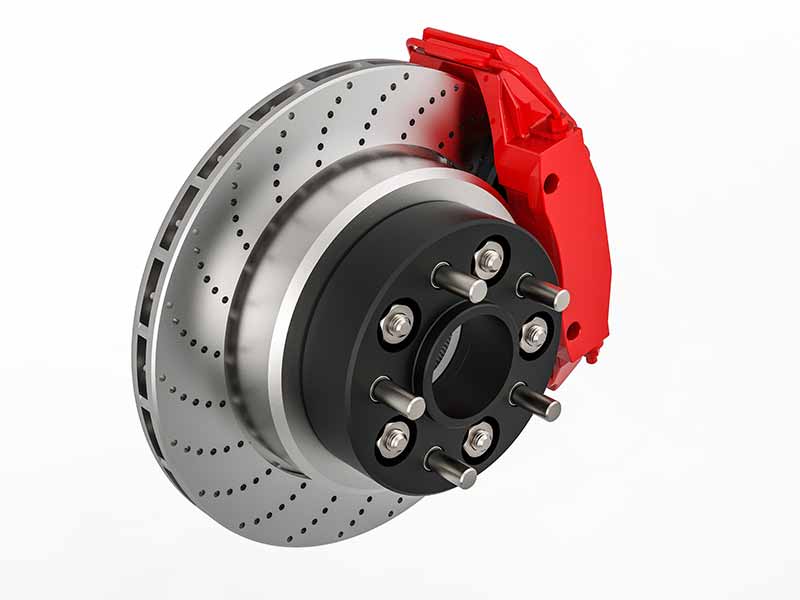
I can’t stress enough the importance of choosing the right spacers. It’s not just about aesthetics; it’s about maintaining the integrity and safety of your vehicle. Hub centric spacers, in particular, offer a level of precision and stability that is crucial for both everyday driving and more demanding road conditions.
Factors to Consider
When choosing wheel spacers, there are several key factors to keep in mind:
- Vehicle Specifications: Understand your vehicle’s specific requirements, including the size and type of spacers it can accommodate.
- Spacer Material: Wheel spacers are typically made from materials like aluminum or steel. Each has its benefits in terms of strength and weight.
- Thickness: The thickness of the spacer will determine how far out your wheels will sit. It’s important to choose a thickness that provides the look and performance you desire without compromising safety.
Hub Centric Spacers: The Preferred Choice
For most vehicles, especially passenger cars and trucks, hub centric spacers are often the recommended option.
- Precision Fit: They are designed to fit perfectly over the vehicle’s hub, ensuring a balanced and stable wheel fitment.
- Reduced Vibration: This precise fit helps minimize vibrations, providing a smoother ride.
- Enhanced Safety: Properly fitted hub centric spacers contribute to the overall safety of the vehicle.
Considering Factory Wheels and Aftermarket Wheel Manufacturers
When choosing spacers, it’s important to consider the type of wheels you have or are planning to get.
- Factory Wheels: If you’re using the original wheels that came with your vehicle, check the manufacturer’s recommendations for spacer compatibility.
- Aftermarket Wheels: For those opting for aftermarket wheels, consult with the wheel manufacturer to ensure the spacers you choose are compatible and safe.
Resources
Below are some links you may find helpful when learning about tires
Final Thoughts
Just like how a well-tuned car turns heads on the road, we hope this deep dive into wheel spacers has caught your attention and answered some key questions you might have had.
Wheel spacers can be a valuable addition to your vehicle, improving its aesthetics, handling, and even making room for that much-desired brake upgrade.
However, the safety and effectiveness of wheel spacers hinge on quality choices and correct installation. So if you decide to take this route, be smart about it.
Good luck and happy motoring.
Related Guides
- How Does Wheel Offset Affect Handling — How offset changes steering feel, stability, and tire clearance.
- Negative Vs Positive Wheel Offset — Positive vs negative offset explained, and how to read the numbers.
- Why Are Car Wheels Getting Bigger? — Why wheel diameters keep growing and what it means for ride and cost.
- Difference Between Wheels And Tires — Wheels vs tires — the parts, the terms, and what each one does.
- How Much Does A Tire Weigh? — Typical tire weights by size and type, and why it matters.