

Ever wondered why your car rides smooth like a dream, or perhaps why it doesn’t? Much of it has to do with your wheels, but not just the rubber part that touches the road.
There’s a whole world behind those shiny rims that can make or break your ride. We’re talking about hub-centric and lug-centric wheels – but what do those terms mean, and why should you care?
Hub Centric Vs Lug Centric
Hub-centric wheels are designed to fit perfectly onto the vehicle’s hub, using it as the central point and bearing the vehicle’s weight, leading to a smoother ride.
Lug-centric wheels rely on the lug nuts and bolts for centering and bearing the vehicle’s weight, offering more flexibility but potentially leading to more vibration during rides.
In this article, we’ll embark on a journey through the intricate world of hub-centric and lug-centric wheels. We’ll explore what they are, the role of wheel spacers, and if you need hub-centric rings. We’ll also tackle the age-old debate – which is better, hub-centric or lug-centric?
Let’s take a closer look.
What Does Hub Centric Mean?
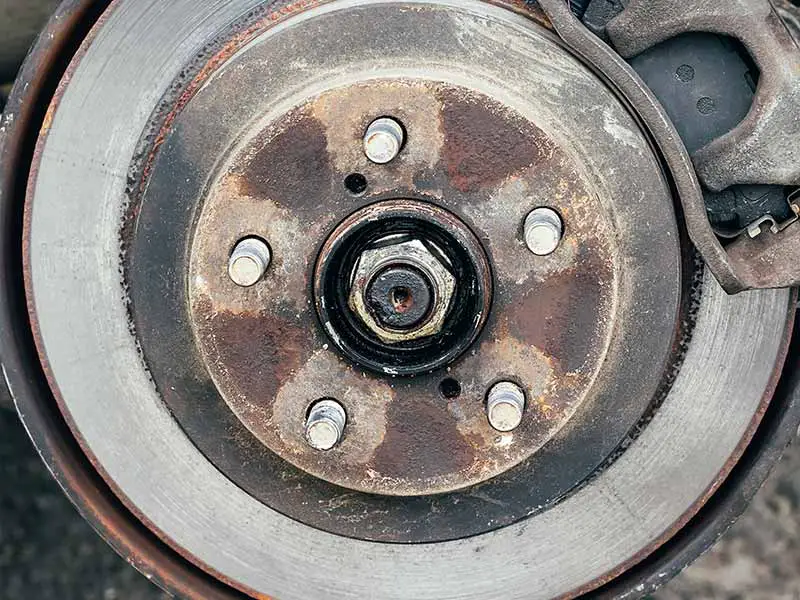
Imagine your car’s wheel as a dinner plate. Now, the hole in the middle of your wheel (where it attaches to your car), that’s like the little ring on the dinner plate where your cup goes in a dinner set. That little ring is called the ‘hub’, and in the world of wheels and tires, it’s a pretty big deal. So when we say something is ‘hub centric’, we mean it’s centered around this hub, just like your cup is centered in that little ring on your dinner plate. Cool, right?
The Importance of Balance
Now, why does this matter? Well, the weight of your car needs to be supported properly, right? It’s like when you carry a heavy backpack. If all the weight was on one strap, it would be super uncomfortable, and you might even start leaning to one side.
Similarly, when a wheel is hub centric, it means the weight of your car is perfectly balanced on the hub, and not on the bolts or ‘lugs’ that keep the wheel attached to your car. This means the wheel spins evenly, and your ride is as smooth as it can be.
Breaking Down Hub Centric
Now, let’s break it down a bit more:
- The Hub: This is the center part of the wheel that directly attaches to the axle of your car. The hub’s diameter is matched perfectly to the axle, making the wheel fit snugly. This is why hub-centric wheels are sometimes called ‘vehicle-centric’ because they’re custom made for a particular vehicle’s hub.
- Balancing Act: With hub-centric wheels, the vehicle’s weight is supported by the hub, not the lug nuts. This takes the pressure off the lug nuts and ensures the weight is evenly distributed. It’s all about keeping things balanced, just like when you try to stand on one foot!
- The Ride: Because the weight is evenly distributed, the wheel spins evenly too. This means fewer vibrations and a smoother ride. It’s like the difference between riding a bike with wonky wheels and one with perfectly round wheels. Trust me, the round wheels are way better!

Understanding Lug-Centric Wheels
Remember those old pirate movies where they would secure a treasure chest with multiple ropes from different sides? Well, lug-centric wheels work somewhat like that. The ‘lugs’ or bolts that attach the wheel to your car are doing more than just keeping the wheel in place – they are also supporting the car’s weight.
It’s All About the Bolts
In a lug-centric setup, the weight of your vehicle is distributed on these lugs or bolts instead of the hub. Think about it like this – in a hub-centric wheel, the weight is carried by the ‘dinner plate’, but with a lug-centric wheel, the weight is carried by the ‘forks’ (or the lugs).
The Balancing Act in Lug-Centric Wheels
Here’s what you need to know:
- The Lugs: These are the bolts that attach the wheel to your vehicle. In a lug-centric wheel, these lugs bear the brunt of the weight, acting as the main supporting structure.
- The Balancing Game: With lug-centric wheels, the vehicle’s weight is distributed amongst the lugs. This is a bit different from hub-centric wheels, where the weight is carried by the hub.
- The Ride: Lug-centric wheels can sometimes result in a less smooth ride because the weight distribution isn’t as even as it is with hub-centric wheels. But don’t worry, it’s generally not something most people notice in everyday driving.
A Word of Caution
Before you go thinking lug-centric is the way to go, remember this: like hub-centric wheels, lug-centric wheels are not one-size-fits-all. It’s super important to ensure the wheels fit your car properly. An ill-fitting wheel, whether it’s lug-centric or hub-centric, can lead to problems down the road. Always consult with a professional when in doubt.
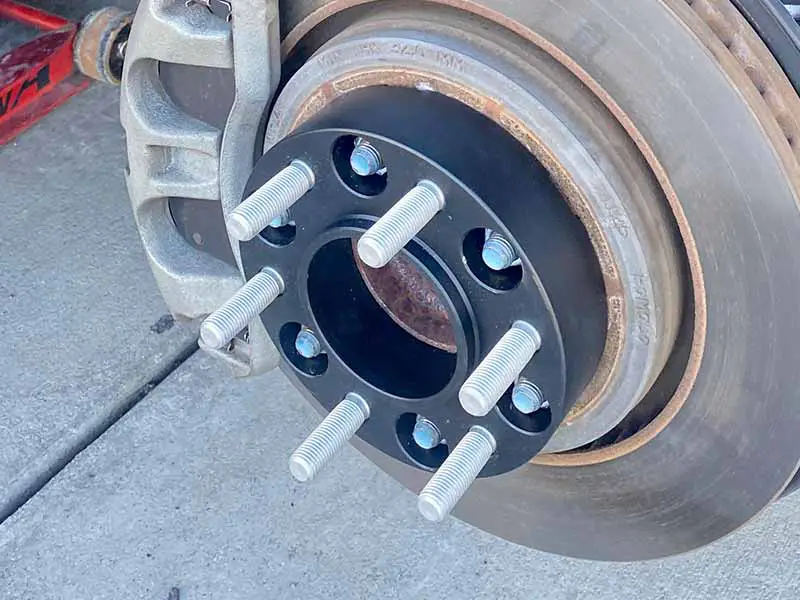
Wheel Spacers Example
The Role of Wheel Spacers
Picture this: you’ve got a brand new pair of shoes, but they’re a little too tight. What do you do? You might use a shoe stretcher to create a bit more space, right? Wheel spacers are kind of like shoe stretchers for your car. They’re used to create more space between the wheel and the wheel hub.
When Do You Need Wheel Spacers?
Sometimes, people want their wheels to stick out a bit more for a sportier look, or they might need to fit larger brakes. Wheel spacers can help with both of these things by moving the wheel further away from the car.
Spacers and Hub-Centric Wheels
Spacers can work with hub-centric wheels. When you use a spacer with a hub-centric wheel, the spacer needs to have a hub of its own. This ensures the weight of the vehicle is still supported by the hub, not the lugs.
Spacers and Lug-Centric Wheels
When it comes to lug-centric wheels, spacers can make the fit a bit trickier. Since the weight is supported by the lugs, the spacing of the lugs becomes even more important. If the spacer doesn’t align perfectly with the lugs, it could lead to imbalance or vibration.
Safety First!
A final note on wheel spacers: they’re not a one-size-fits-all solution. Just like with shoes, the right fit is crucial. A spacer that’s too big or too small can lead to problems. Always consult with a professional to make sure you’re using the right size spacer for your wheels.

Hub-Centric vs Lug-Centric: Which is Better?
The big question is which one is better? Well, it’s kind of like asking if chocolate ice cream is better than vanilla. It all depends on your taste, or in this case, your car and your needs.
Vehicle Performance
- Hub-Centric Wheels: These guys are all about precision. They’re designed to fit your car’s hub perfectly, which means they offer a smooth ride and less vibration. They’re like a tailor-made suit, designed to fit one person (or car) perfectly.
- Lug-Centric Wheels: These wheels are a bit more like a one-size-fits-all t-shirt. They can fit a variety of cars, but the fit isn’t as precise as with hub-centric wheels. This can sometimes lead to more vibrations when you’re driving, but it’s usually not noticeable during everyday driving.
Installation Process
- Hub-Centric Wheels: These wheels are straightforward to install because they’re designed to fit perfectly onto the hub. It’s like putting a round peg in a round hole.
- Lug-Centric Wheels: Installation can be a bit more complicated. You need to make sure the lugs are aligned perfectly so the wheel is balanced. It’s a bit like trying to fit a square peg in a round hole, but with a bit of maneuvering, it can work.
Safety Aspects
- Hub-Centric Wheels: These wheels are generally considered safer because the weight of the car is supported by the hub, not the lugs. This means there’s less chance of the lugs failing.
- Lug-Centric Wheels: While they’re generally safe, there’s a slightly higher chance of lug failure because the lugs are supporting the car’s weight. However, with proper installation and maintenance, this risk is minimal.
Using Lug-Centric Wheels on a Hub-Centric Car
You might also be wondering, “Is it okay to use lug-centric wheels on a hub-centric car?” The short answer is yes, but it’s not ideal. It’s kind of like wearing shoes that are a size too big. You can do it, but it might not be as comfortable or as safe. Always consult with a professional if you’re unsure.
The Significance of the Center Bore in Aftermarket Wheels
When you’re upgrading to aftermarket wheels, the center bore is a detail you can’t afford to overlook. It’s the hole at the middle of the wheel that needs to fit over the vehicle’s hub. If it doesn’t fit correctly, it’s like having a door that doesn’t quite latch—it might work for a while, but it’s not secure and could cause problems.
Matching the Center Bore and Vehicle Hub
The center bore of an aftermarket wheel is often made larger to fit a variety of vehicles. This is where centric rings come into play, ensuring that the wheel fits snugly onto your specific vehicle’s hub.
- Ensuring Stability: A wheel that is not properly centered can lead to instability at high speeds.
- Preventing Damage: Continuous vibration from a misaligned wheel can damage both the wheel and the hub over time.
Importance of Centric Rings for Aftermarket Wheels
Without centric rings, you might not notice an issue immediately, but over time, the slight movements of an ill-fitting wheel can lead to bigger problems. I’ve seen wheels that were thought to be balanced still cause vibration because they weren’t sitting flush with the hub.
- Custom Fit: Centric rings act as a bridge between the wheel and the hub, tailored to the size of your vehicle’s hub.
- Enhanced Driving Experience: They ensure that the wheel is truly centered, not just held in place by the lug nuts, enhancing the overall driving experience.
Installation Tips for Centric Rings
Installing centric rings should be done with care to avoid any issues:
- Check for Fit: Before mounting the wheel, place the ring on the hub and ensure it fits without gaps.
- Secure Placement: Make sure the ring is seated all the way onto the hub. It should not easily move or come off when touched.
Centric Rings and Wheel Spacers
Sometimes, you might want to use wheel spacers to change the appearance of your vehicle or to fit larger tires. If you’re using spacers, you still need to ensure that the wheels are centered on the hub. Centric rings can be used with spacers as long as the sizes are compatible.
For those considering wheel spacers, it’s important to understand their pros and cons. You can find a detailed analysis on Wheel Spacers: Pros and Cons.
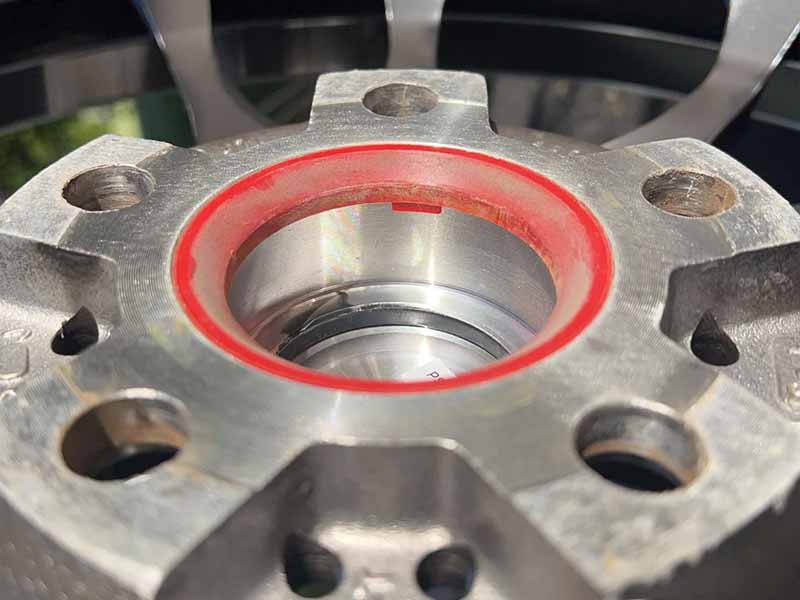
Hub Centric Rings Example
How Hub Centric Rings Prevent Vibration Issues
One of the most common complaints after installing new wheels is vibration. This can be felt through the steering wheel or the body of the car, especially at higher speeds. Hub centric rings are designed to prevent these vibration issues by ensuring the wheel is perfectly centered on the hub.
The Mechanics Behind Wheel Vibration
Vibration often occurs when there is an imbalance. In the case of wheels, if they are not perfectly aligned with the hub, they can rotate unevenly, causing a wobble effect.
- Uniform Distribution: Hub centric rings ensure that the weight of the vehicle is evenly distributed across the wheel’s surface.
- Eliminating Micro-Movements: Even the slightest movement between the wheel and hub can result in vibration. The rings eliminate this by filling the gap.
The Importance of a Centered Wheel
A wheel that is not centered can lead to a range of problems, from uneven tire wear to more serious safety issues. The role of hub centric rings is to center the wheel and eliminate the space where movement could occur.
- Steering Precision: A centered wheel allows for more precise steering, as there is no lateral movement interfering with the direction of the tires.
- Reduced Strain on Bolts: Without the rings, the vehicle’s lug bolts bear all the stress of holding the wheel in place, which can lead to bolt fatigue or failure.
Installing Hub Centric Rings to Address Vibration
The installation of hub centric rings is a simple yet effective solution to prevent vibration:
- Ensure Clean Contact: Before installing the rings, make sure the hub is free of any debris or corrosion for a clean contact surface.
- Proper Seating: When placing the ring on the hub, ensure it is fully seated and flush against the hub with no gaps.
What Size Hub Centric Rings Do You Need?
Choosing the right size for your hub centric rings is a critical step in ensuring your wheels are mounted correctly and safely. The size needs to be precise to prevent any play or vibration, which can lead to uneven tire wear and a less comfortable ride.
Importance of Precise Measurements
The hub centric ring’s job is to fill the gap between the wheel bore and the hub perfectly. If the ring is too large, the wheel won’t center on the hub and will rely on the lug nuts to hold it in place, which isn’t ideal. If the ring is too small, it won’t fit at all. The measurements need to be just right.
How to Measure for Hub Centric Rings
To find the correct size of hub centric rings, you’ll need two key measurements:
- Wheel Center Bore: This is the diameter of the hole at the back of the wheel. It’s where the ring will sit.
- Hub Diameter: This is the diameter of the hub’s protruding part where the wheel gets mounted.
Here’s a step-by-step guide to getting these measurements:
- Find the Wheel Center Bore Size:
- Clean the area to ensure an accurate measurement.
- Use a precision tool like a caliper to measure the diameter of the wheel’s center bore.
- Record the measurement in millimeters, as most hub centric rings are measured in this unit.
- Measure the Hub Diameter:
- Clean the hub surface for a clear measurement.
- Measure the diameter of the hub where the wheel sits.
- Write down this measurement as well, ensuring it’s in millimeters for consistency.
Ensuring the Right Fit
Once you have both measurements, the size of the hub centric ring you need is determined by the larger wheel center bore size and the smaller hub diameter. The ring will make up the difference between the two. For example, if your wheel’s center bore is 72.5mm and your vehicle’s hub diameter is 56.1mm, you’ll need a ring with an inner diameter of 56.1mm and an outer diameter of 72.5mm.
When the Size Is Not Exact
If you can’t find a hub centric ring that matches your measurements exactly, it’s better to choose one that’s slightly larger rather than smaller. A ring that’s too small simply won’t fit, while one that’s slightly larger can often still center the wheel properly. However, the best practice is to find the exact size to avoid any potential issues.
Choosing the Right Material for Hub Centric Rings
When selecting hub centric rings, one of the decisions you’ll face is choosing the material they’re made from. The two most common materials are aluminum and plastic, and each has its own set of advantages.
Aluminum Hub Centric Rings
Aluminum rings are known for their strength and durability. They’re less likely to deform over time, which means they can maintain a precise fit for longer. Here’s why you might choose aluminum:
- Durability: Aluminum is a metal that can withstand significant stress and strain, making it less likely to crack or break.
- Heat Resistance: It can handle the high temperatures generated by the wheels, which is particularly important during extended driving or in hot climates.
Plastic Hub Centric Rings
Plastic rings, often made from materials like polycarbonate, are another popular choice. They’re generally more cost-effective and can resist corrosion caused by road salts and other chemicals. Consider plastic rings for:
- Cost-Effectiveness: They are usually less expensive than aluminum rings, making them a budget-friendly option.
- Corrosion Resistance: Unlike metal, plastic won’t corrode, which can be beneficial if you live in an area with harsh winters or salty roads.
Making the Right Choice
In making your decision, consider the following factors:
- Driving Conditions: If you frequently drive in conditions where corrosion is a concern, plastic might be the better option.
- Budget: If cost is a significant factor, plastic rings can provide a balance between performance and price.
- Longevity: For those looking for a long-term solution and who don’t mind spending a bit more, aluminum rings might be the way to go.
Do You Need Hub Centric Rings?
Choosing the right components for your vehicle’s wheels isn’t just about performance—it’s a matter of safety. Hub centric rings are often overlooked, yet they are vital, especially when you’re fitting new wheels to your vehicle.
Identifying the Need for Hub Centric Rings
- Aftermarket Wheels: Many aftermarket wheels are designed with a larger center bore to fit a wide range of vehicles. If the bore is larger than your vehicle’s hub, you’ll need hub centric rings.
- Vibration Issues: If you experience vibrations after installing new wheels, it could be a sign that you need hub centric rings to properly center the wheels on the hub.
- Wheel Upgrades: When upgrading from steel rims to alloy wheels, or changing the size of your wheels, hub centric rings can ensure that the new wheels fit securely onto the hub.
The Impact of Not Using Hub Centric Rings
- Safety Risks: Driving without hub centric rings can lead to wheels that are not properly centered, causing vibrations that can affect your ability to control the vehicle.
- Wear and Tear: Improperly fitted wheels can cause uneven tire wear and put extra stress on the wheel bearings and suspension components.
- Long-Term Damage: Over time, the lack of hub centric rings can lead to more serious issues, such as damaged wheel studs or hubs, which can be costly to repair.
It’s Important To Torque Lug Nuts To The Vehicle Manufacturer’s Specification
Installation of Hub Centric Rings
Properly installing hub centric rings is a crucial step in ensuring your vehicle’s wheels are securely and safely fitted. Incorrect installation can lead to a host of problems, from minor annoyances like vibrations to more serious safety concerns.
Step-by-Step Guide to Installing Hub Centric Rings
- Step 1: Clean the Hub and Wheel Bore: Before installing the rings, it’s important to remove any dirt, grime, or corrosion from the hub and wheel bore. A clean fit is essential for the rings to function correctly.
- Step 2: Check the Fit: Before you mount the wheel, place the hub centric ring onto the hub to ensure it fits well. It should sit flush against the hub without any gaps.
- Step 3: Align the Ring: Carefully align the hub centric ring with the wheel bore. It should slot in easily without needing to be forced.
- Step 4: Mount the Wheel: Once the ring is in place, you can mount the wheel onto the hub. The ring should stay in position as you align the wheel.
- Step 5: Secure the Wheel: Install the lug nuts by hand at first to ensure the threads are not cross-threaded. Then, use a torque wrench to tighten them to the manufacturer’s specifications in a crisscross pattern. This helps to apply even pressure and prevents warping.
Importance of Proper Installation
- Safety: A well-installed hub centric ring can prevent wheel detachment and loss of control while driving.
- Performance: Correct installation ensures that the vehicle’s weight is evenly distributed across the wheel hub, which can improve handling and reduce wear on the tires and suspension.
- Longevity: When wheels are centered and balanced, it reduces the strain on the lug nuts and wheel studs, extending their lifespan.
Troubleshooting Common Issues
- Vibrations: If you start to feel vibrations, especially at higher speeds, check to see if the hub centric rings are damaged or missing.
- Difficulty Fitting Wheels: If your wheels are not fitting onto the hub as easily as they should, it could be due to dirt or damage to the hub centric rings.
- Noise: Unusual noises coming from the wheel area may be a sign that the hub centric rings are not seated properly or are the incorrect size.

Common Misconceptions About Hub Centric Rings
In the realm of wheel customization and maintenance, there are several misconceptions about hub centric rings that can lead to confusion. It’s important to clear these up to ensure vehicle owners are making informed decisions about their wheel fitment.
Addressing Myths and Misconceptions
- Myth: Hub Centric Rings Are Optional: Some believe that if the wheel is bolted on tightly, hub centric rings are not necessary. This is not true. Even with the lug nuts tightly secured, a wheel that is not hub centric can cause vibrations and potential wear on the vehicle.
- Myth: All Wheels Are Hub Centric: Not all wheels are designed to be hub centric for every vehicle. Many aftermarket wheels are made to fit a range of vehicles and may require hub centric rings for a proper fit.
- Myth: Hub Centric Rings Affect Wheel Alignment: Hub centric rings do not affect the alignment of the wheels. Their sole purpose is to center the wheel on the hub for a true fit and to eliminate vibrations.
Clarifying the True Role of Hub Centric Rings
- Centering the Wheel: The primary role of hub centric rings is to ensure the wheel is perfectly centered on the hub, not to hold the wheel on the car—that’s the job of the lug nuts.
- Reducing Stress on Lug Nuts: By centering the wheel, hub centric rings help to distribute the vehicle’s weight evenly across the hub, reducing the burden on the lug nuts and preventing potential warping of the wheel.
Resources
Below are some links you may find helpful when learning about tires
- Hub centric vs lug centric wheels – Discount Tire
- What’s the difference between lug centric and hub centric wheels? – Machine Design
Final Thoughts
Whether you choose hub-centric wheels, with their tailored-fit and precision balance, or lug-centric wheels, offering versatility and a broad fit, the choice can significantly impact your ride’s quality.
It’s like the difference between a tailor-made suit and a one-size-fits-all t-shirt, each with its own merits and drawbacks. The right choice depends on your car, your needs, and your preferences.
Good luck and happy motoring.
Related Guides
- Aluminum Vs Plastic Hub Centric Rings — Aluminum vs plastic hub-centric rings — durability, corrosion, and which to buy.
- Wheel Spacers Pros And Cons (And How They Work) — Wheel spacers — pros, cons, safety, and when you need hub-centric spacers.
- How Does Wheel Offset Affect Handling — How offset changes steering feel, stability, and tire clearance.
- Negative Vs Positive Wheel Offset — Positive vs negative offset explained, and how to read the numbers.
- Why Are Car Wheels Getting Bigger? — Why wheel diameters keep growing and what it means for ride and cost.