
Want a tire that delivers exceptional dry and wet grip for performance driving? The Goodyear Eagle F1 Asymmetric 3 is an option, though its ratings suggest some important trade-offs. But how does it stack up against other max performance summer options, and what should you consider?
The Goodyear Eagle F1 Asymmetric 3 earns a Tire Grade of 6.9/10, impressing with a comfortable ride, and confident dry handling. That said, quicker tread wear and moderate wet traction may factor into your decision.
This review dives deep into the Goodyear Eagle F1 Asymmetric 3 to help you make an informed decision. You’ll see how it stacks up against the mid-range Michelin Pilot Sport 4S, the value-oriented Bridgestone Potenza RE050A, and the high-end Pirelli P Zero Rosso. We also cover known issues drivers have reported and break down the performance numbers that matter most.
Tire Owner Feedback
Side-by-Side Comparison
Below, we compare the Goodyear Eagle F1 Asymmetric 3 against the top-rated alternatives in the Max Performance Summer category. For a deeper look at each alternative, see the Recommended Alternatives section further down.
Detailed Review
Our ratings are based on aggregated feedback from real-world drivers. Each tire’s Tire Grade reflects thousands of miles of owner-reported data — the more miles driven, the higher our confidence in the score.
Goodyear Eagle F1 Asymmetric 3
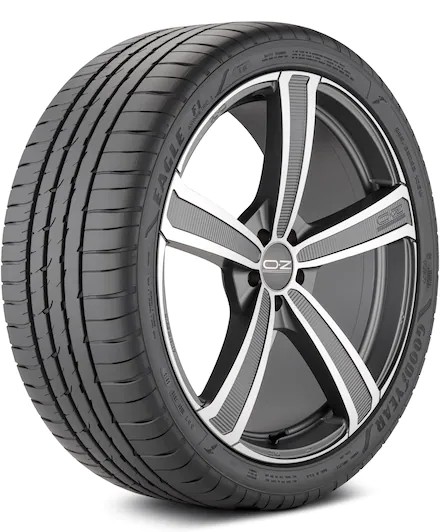
Customer Ratings
Wet Weather
7.9 of 10
Winter Weather
N/A
Dry Weather
8.3 of 10
Ride Comfort
8.4 of 10
Tread Wear
7.8 of 10
UTQG
Uniform Tire Quality Grade
UTQG Treadwear Rating: 240-800
UTQG Traction Rating: AA
UTQG Temperature Rating: A
Mileage Warranty
Contact manufacturer for warranty details
Find The Best Price








Key Performance Metrics
Hydroplaning: 8.1 of 10
Wet Grip: 7.8 of 10
Cornering: 8.3 of 10
Dry Grip: 8.4 of 10
Responsiveness: 8.3 of 10
Mild Snow Grip: N/A
Heavy Snow Grip: N/A
Ice Grip: N/A
Comfort Level: 8.6 of 10
Road Noise: 8.3 of 10
The Goodyear Eagle F1 Asymmetric 3 competes in the max performance summer segment but falls short of top performers in key areas. It may suit budget-conscious drivers willing to accept trade-offs in grip, comfort, or longevity compared to higher-rated alternatives.
Dry Performance
Well Above Average
Above Average
Average
Below Average
Well Below Average
The Goodyear Eagle F1 Asymmetric 3 performs well on dry pavement with predictable handling and good traction. Steering response is confident, and the tire maintains composure through corners. Most drivers will find the dry performance more than adequate for daily driving. Within the category though, some competitors do deliver stronger dry traction and handling, so this is worth weighing if it’s a top priority for you.
Wet Performance
Well Above Average
Above Average
Average
Below Average
Well Below Average
Wet performance is adequate but not a standout strength of this tire. While it handles light rain reasonably well, extra caution is advised in heavy downpours or standing water situations. Within the category, this level of wet traction and hydroplaning resistance is par for the course, with most competitors delivering a similar experience.
Ride Comfort and Noise Level
Well Above Average
Above Average
Average
Below Average
Well Below Average
The Goodyear Eagle F1 Asymmetric 3 provides a comfortable ride for most drivers. However, some users have noticed that the tire produces a slightly higher level of road noise, especially on paved surfaces. While the ride remains smooth, this extra noise might be noticeable on longer highway trips. Compared to others in its category, it delivers stronger ride comfort and noise control than most of the competition.
Winter/Snow Performance
N/A
The Goodyear Eagle F1 Asymmetric 3 is a summer tire and is not designed for use in cold, snowy, or icy conditions. Using this tire in winter weather is unsafe and could result in significant loss of traction. If you live in an area with cold winters, you should switch to dedicated winter tires or an all-season alternative when temperatures consistently drop below 45°F (7°C).
Treadwear and Longevity
Well Above Average
Above Average
Average
Below Average
Well Below Average
Treadwear is respectable for this tire category. With proper maintenance including regular rotations and correct inflation, you can expect reasonable longevity. Driving style and road conditions will naturally affect how long the tires last. Compared to others in its category, it delivers stronger tread life and longevity than most of the competition.
Pros
- Budget-friendly price point
- Widely available tire sizes
- Backed by manufacturer warranty
- Adequate for light-duty driving
Cons
- Slightly elevated road noise on paved surfaces
- Not safe for winter or cold weather driving
- Tread life may be shorter than touring alternatives
- Higher price point than budget alternatives
Value Analysis
Well Above Average
Above Average
Average
Below Average
Well Below Average
As a premium tire, the Goodyear Eagle F1 Asymmetric 3 falls short of the value mark compared to its direct competitors. While it is not a poor tire by any means, its performance ratings relative to its price point lag behind several alternatives in the same segment. Factor in reasonable longevity when properly maintained, and the overall cost-to-performance ratio is a consideration worth weighing. If value is a priority, comparing it against higher-scoring options in this max performance summer category is recommended.
The Verdict
Well Above Average
Above Average
Average
Below Average
Well Below Average
The Goodyear Eagle F1 Asymmetric 3 is a budget option with notable trade-offs in maximum grip and sporty handling. However, if this tire is not suitable for winter driving, you might want to consider other alternatives. Overall, this tire may leave you wanting more. Consider the alternatives discussed above before committing, especially if confident grip is a priority.

Goodyear Eagle F1 Asymmetric 3 Problems
While the Goodyear Eagle F1 Asymmetric 3 is a capable tire, some drivers have reported a few issues that might affect their overall experience. These include a bit more road noise, not being suitable for winter conditions, and a higher price point. It’s good to know that many of these problems are from isolated reports or can be helped with proper maintenance like keeping the right air pressure, regular rotations, and proper alignment.
Understanding these concerns can help you decide if this tire is the right choice for your driving needs.
Road Noise
Typical
While many say the tire is quiet for its design, a few drivers have reported that it makes more road noise than factory tires or some premium options. This can be especially noticeable on paved roads.
Winter Weather Limitations
Typical
As a summer tire, the Eagle F1 Asymmetric 3 is not designed for cold, snowy, or icy conditions. The rubber compound hardens in cold temperatures, significantly reducing grip. Drivers in areas with winter weather must switch to winter or all-season tires when temperatures drop below 45°F (7°C).
Premium Pricing
Typical
As a premium-tier tire, the Eagle F1 Asymmetric 3 comes with a higher price tag than budget alternatives. While the quality and performance generally justify the cost, budget-conscious buyers should weigh this against their specific needs and driving habits.
Limited Long-Term Data
Typical
As a relatively newer tire in the market, the Eagle F1 Asymmetric 3 has a shorter track record compared to established models. While initial feedback is positive, long-term durability data is still accumulating. This is worth considering if proven longevity is a top priority.
The Bottomline
While the Goodyear Eagle F1 Asymmetric 3 is a strong tire overall, it is not without its concerns. Issues such as higher road noise, unsuitability for winter conditions, reduced traction in light snow, ice, or slush have been noted by some drivers. If these problems worry you, consider looking into our recommended alternatives.

Goodyear Eagle F1 Asymmetric 3 Alternatives
While the Goodyear Eagle F1 Asymmetric 3 is a strong tire overall, some drivers have noted its extra road noise and lack of winter capability. If these issues are a concern for you, consider these recommended alternatives.
Michelin Pilot Sport 4S
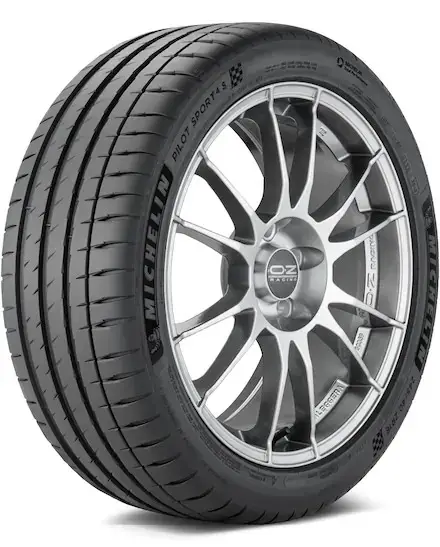
Michelin Pilot Sport 4S
Overall: The Michelin Pilot Sport 4S is a well-balanced, average-priced tire that offers a good mix of performance and value. It delivers solid traction in most conditions and represents a strong alternative at its price point.
Performance Highlights:
- Wet Weather: Provides excellent wet traction and hydroplaning resistance, matching or exceeding the Eagle F1 Asymmetric 3’s strong wet performance.
- Dry Weather: Excels in dry traction, corner stability, and steering response, matching or surpassing the Eagle F1 Asymmetric 3’s dry performance.
- Winter Performance: Note: Like all summer tires, not suitable for winter conditions.
- Comfort and Treadwear: Known for excellent comfort and treadwear, offering a quieter ride and longer tread life than the Eagle F1 Asymmetric 3.
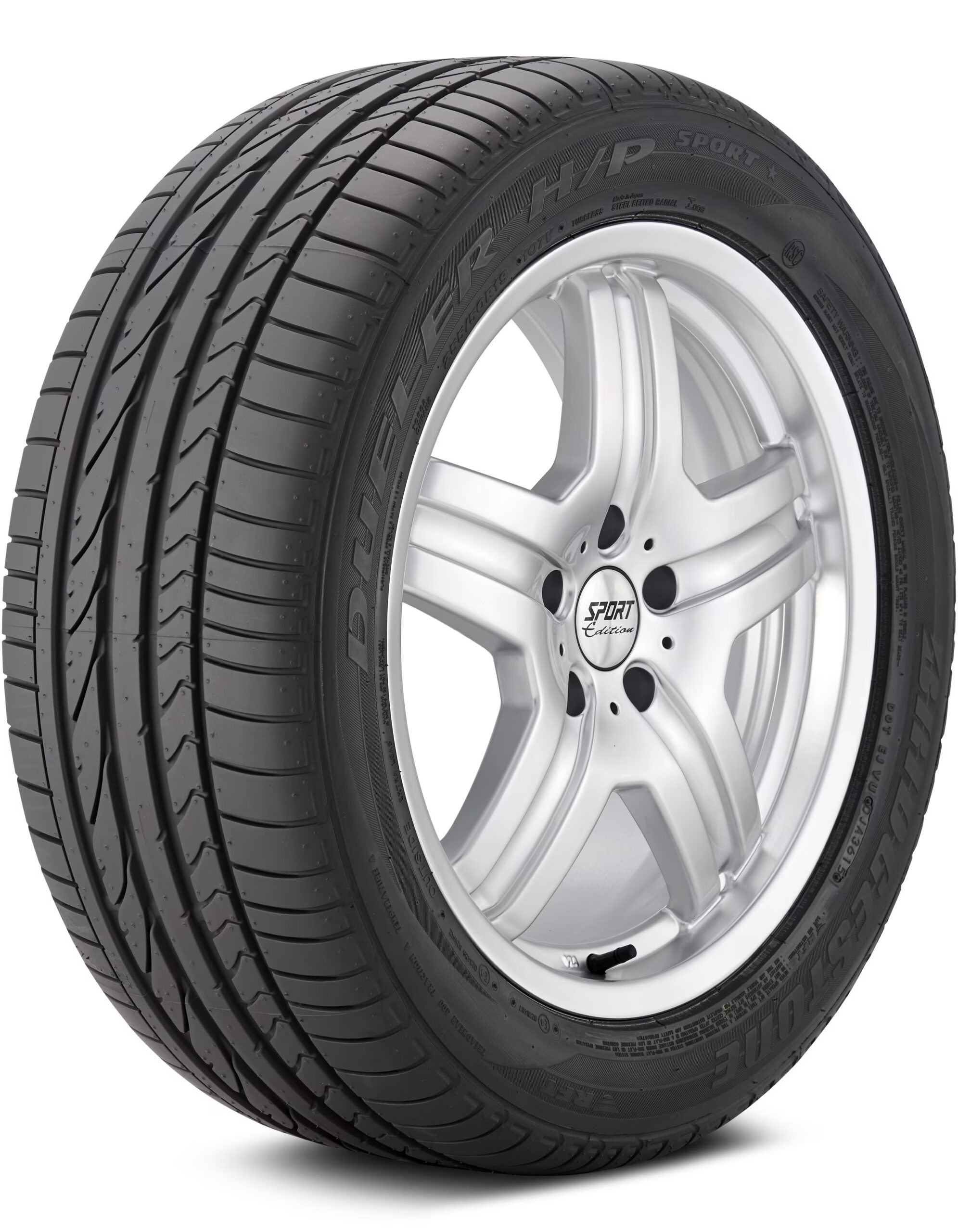
Bridgestone Potenza RE050A
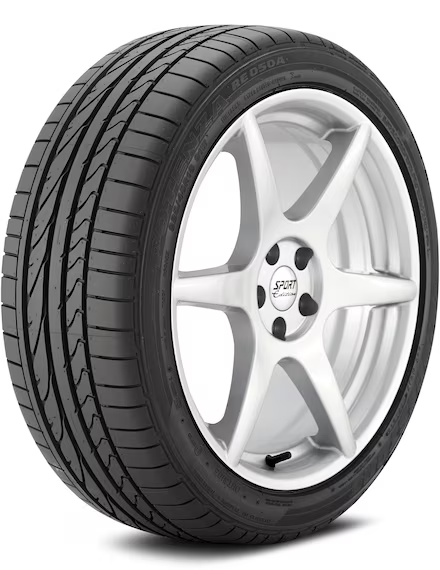
Bridgestone Potenza RE050A
Overall: A budget-friendly option, the Bridgestone Potenza RE050A offers good value for drivers who want reliable performance without a high price tag. While it may not match the Eagle F1 Asymmetric 3 in every area, it stands out as a strong performer for its cost.
Performance Highlights:
- Wet Weather: Delivers adequate wet traction and hydroplaning resistance, though it doesn’t quite match the Eagle F1 Asymmetric 3’s exceptional wet performance.
- Dry Weather: Excels in dry traction, corner stability, and steering response, matching or surpassing the Eagle F1 Asymmetric 3’s dry performance.
- Winter Performance: Note: Like all summer tires, not suitable for winter conditions.
- Comfort and Treadwear: Delivers a comfortable ride with solid treadwear, performing similarly to the Eagle F1 Asymmetric 3 in day-to-day driving.
Pirelli P Zero Rosso
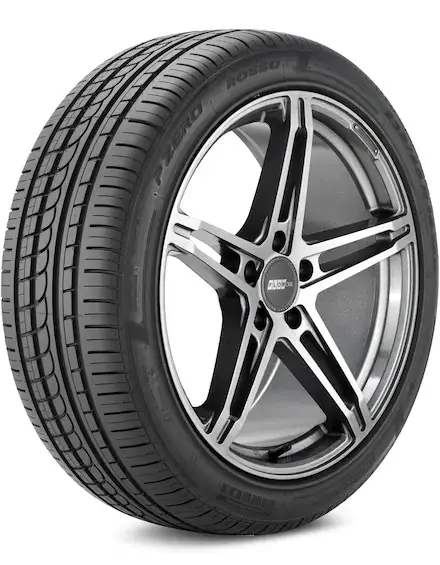
Pirelli P Zero Rosso
Overall: A premium max performance summer tire known for its proven durability and high performance, the Pirelli P Zero Rosso is built for drivers who demand the best. It offers a robust performance package that can address some of the Eagle F1 Asymmetric 3’s concerns.
Performance Highlights:
- Wet Weather: Delivers adequate wet traction and hydroplaning resistance, though it doesn’t quite match the Eagle F1 Asymmetric 3’s exceptional wet performance.
- Dry Weather: Excels in dry traction, corner stability, and steering response, matching or surpassing the Eagle F1 Asymmetric 3’s dry performance.
- Winter Performance: Note: Like all summer tires, not suitable for winter conditions.
- Comfort and Treadwear: Delivers a comfortable ride with solid treadwear, performing similarly to the Eagle F1 Asymmetric 3 in day-to-day driving.
Each of these alternative tires brings its own strengths to the table.
- The Michelin Pilot Sport 4S offers a balanced blend of performance and comfort at a solid average price.
- The Bridgestone Potenza RE050A is a budget-friendly option that delivers reliable performance without breaking the bank.
- The Pirelli P Zero Rosso is a premium choice with proven durability and strong performance in many conditions.
Depending on your driving needs and what matters most to you, these tires can be great alternatives to the Goodyear Eagle F1 Asymmetric 3.
Resources
Below are some links you may find helpful when learning about tires
Final Thoughts
The Goodyear Eagle F1 Asymmetric 3 falls short of category leaders, with its strongest showing in balanced performance across categories. Drivers on a tight budget may find it serviceable, but those who prioritize grip and responsiveness should weigh the trade-offs carefully.
However, it’s important to note some of its drawbacks. Some drivers have also reported increased road noise The tire is not suitable for winter or cold weather driving.. While these issues are not widespread, they are worth considering if you have specific performance needs.
In the end, the Goodyear Eagle F1 Asymmetric 3 sits near the bottom of its category in overall ratings. Consider alternatives like the Michelin Pilot Sport 4S, Bridgestone Potenza RE050A, and the Pirelli P Zero Rosso before committing, as they offer meaningfully better performance in key areas. If budget is the deciding factor, this tire may still work for light-duty use — but go in with realistic expectations about year-round capability.
Good luck and happy motoring.